
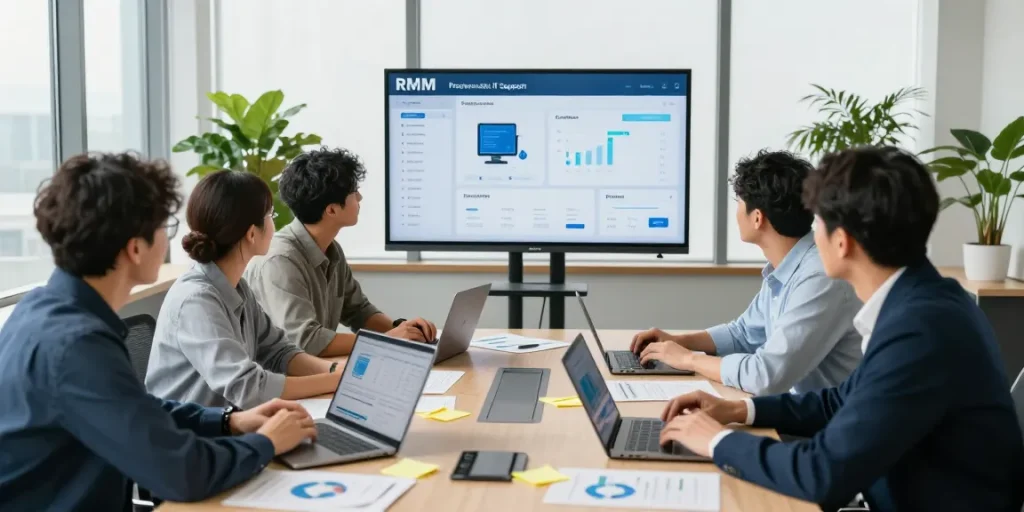
Understanding Business IT Support Essentials
In today’s digital landscape, effective IT support is more critical than ever for businesses of all sizes. With the increasing reliance on technology, companies must ensure that their IT infrastructure is robust, secure, and manageable. Business IT support enables organizations to streamline their operations by providing essential services, from troubleshooting issues to optimizing system performance. business IT support can be tailored to meet specific needs, allowing companies to focus on their core objectives while ensuring a seamless technological environment.
What is Business IT Support?
Business IT support refers to a range of services aimed at maintaining and enhancing the IT infrastructure of an organization. This includes managing hardware and software, troubleshooting technical issues, training staff, and ensuring cybersecurity measures are in place. The support can be delivered through various models, such as in-house teams, outsourced providers, or a hybrid approach, depending on the size and needs of the business. Effective IT support not only resolves existing problems but also anticipates potential issues, ensuring that businesses operate efficiently.
Key Components of Effective IT Support
To deliver effective IT support, several key components are essential:
- Helpdesk Services: A dedicated helpdesk team provides immediate assistance for IT-related queries, reducing downtime.
- Remote Monitoring and Management (RMM): Proactive RMM tools monitor systems for potential issues, allowing for quick resolution before they escalate.
- Cybersecurity: Implementing robust security measures protects data and systems from cyber threats through firewalls, antivirus solutions, and employee training.
- Backup and Recovery: Regular backups ensure that data can be restored in case of loss, while disaster recovery plans prepare businesses for unexpected disruptions.
- IT Strategy and Planning: Effective IT support includes long-term planning to align technology with business goals, ensuring scalability and adaptability.
The Impact of Proactive IT Support on Businesses
Proactive IT support can significantly affect business productivity and efficiency. By addressing issues before they become critical, organizations can minimize downtime and disruptions. This proactive approach not only enhances employee satisfaction but also drives overall performance by allowing teams to focus on their primary responsibilities without technological interruptions. Additionally, benefits such as improved cybersecurity and risk management can lead to long-term cost savings and a stronger competitive position in the market.
Choosing the Right Business IT Support Package
Essential IT Support Options for Small Businesses
Small businesses often face unique challenges when it comes to IT support. Limited budgets and resources may restrict their ability to maintain an in-house IT team, making outsourced support a viable option. Essential IT support packages typically include basic helpdesk services, security monitoring, and routine maintenance, which are crucial for ensuring uptime and performance while remaining cost-effective. Small business IT support can adapt as needs change, offering scalability while addressing the specific pain points smaller organizations face.
Professional vs. Enterprise Managed IT Solutions
When evaluating IT support options, businesses must consider whether to opt for professional or enterprise-level managed IT solutions. Professional support is ideal for small to mid-sized businesses that require regular helpdesk assistance, proactive monitoring, and basic security measures. In contrast, enterprise managed IT solutions cater to larger organizations with complex infrastructures, providing dedicated resources for compliance, multi-site operations, and advanced security measures. Understanding the scale and scope of your IT needs is crucial when choosing the right package.
How to Assess Your IT Support Needs
Assessing your IT support needs involves conducting a thorough evaluation of your current infrastructure, identifying potential vulnerabilities, and understanding your team’s workflow. Key considerations include:
- Current IT Challenges: Identify recurring issues that disrupt productivity, such as system downtime or security breaches.
- Business Growth Projections: Consider how your IT support needs may change as your business expands.
- Budget Constraints: Determine how much you can afford to allocate for IT support services while ensuring you receive adequate protection and resources.
- Compliance Requirements: Evaluate any industry-specific regulations that may necessitate enhanced security measures.
Implementing Proactive IT Support Strategies
Benefits of RMM Technology in Business IT Support
Remote Monitoring and Management (RMM) technology plays a pivotal role in providing effective IT support. By continuously monitoring systems, RMM can detect issues in real time, allowing for immediate intervention. Benefits of RMM include:
- Reduced Downtime: Early detection of potential issues minimizes disruptions to business operations.
- Cost Efficiency: Proactive support can lead to lower repair costs and extended lifespan of IT assets.
- Improved Security: Regular updates and monitoring help protect against vulnerabilities and cyber threats.
Best Practices for Device Monitoring and Management
Effective device monitoring and management are crucial in today’s multi-device environments. Businesses should implement the following best practices:
- Centralized Management Tools: Utilize software that allows for centralized monitoring and management of all devices, ensuring compliance with security policies.
- Regular Updates: Schedule automatic updates for software and operating systems to protect against vulnerabilities.
- Employee Training: Conduct regular training sessions to ensure staff are aware of security risks and best practices for device usage.
Integrating Cybersecurity Measures in IT Support
Cybersecurity should be integrated into all aspects of IT support. Businesses must prioritize implementing comprehensive security measures, including:
- Firewalls and Intrusion Detection Systems: Protect networks from unauthorized access and potential attacks.
- Data Encryption: Secure sensitive data both in transit and at rest to prevent data breaches.
- Regular Audits: Conduct periodic security audits to identify vulnerabilities and compliance gaps.
Evaluating the Effectiveness of Your IT Support
Key Performance Metrics for IT Support Services
To gauge the effectiveness of your IT support provider, it’s essential to establish key performance metrics. These may include:
- Response Times: Measure how quickly issues are addressed and resolved, particularly for critical problems.
- Customer Satisfaction: Gather feedback from employees regarding their experiences with IT support.
- Uptime and Downtime Statistics: Track system availability to understand the impact of IT support on operations.
Client Feedback: How It Shapes IT Support Quality
Client feedback is a valuable resource for improving IT support services. Gathering insights through surveys, interviews, or informal discussions can reveal areas for improvement, helping providers tailor their services to better meet clients’ needs. Regularly reviewing feedback allows IT support teams to adapt their strategies and stay aligned with client expectations.
Continuous Improvement Strategies for IT Support
Continuous improvement is essential for maintaining high-quality IT support. Strategies may include:
- Regular Training and Development: Ensure IT staff stay updated on the latest technologies and best practices.
- Technology Upgrades: Invest in new tools and technologies that enhance service delivery and efficiency.
- Benchmarking: Compare performance metrics against industry standards to identify areas for enhancement.
Future Trends in Business IT Support for 2026 and Beyond
Emerging Technologies Impacting IT Support
The IT support landscape is evolving rapidly, driven by emerging technologies such as artificial intelligence (AI), machine learning, and automation. Future trends are likely to include:
- AI-Driven Support: AI tools will assist in troubleshooting and predicting issues, further enhancing the efficiency of IT support.
- Cloud-Based Solutions: As more businesses migrate to the cloud, IT support will increasingly focus on cloud management and security.
- Remote Work Solutions: With the rise of remote work, IT support will need to adapt to manage and secure distributed teams effectively.
The Growing Importance of Cybersecurity
As cyber threats continue to evolve, the importance of robust cybersecurity measures within IT support cannot be overstated. Organizations will need to prioritize enhancements in their cybersecurity protocols, including:
- Multi-Factor Authentication: Implementing additional layers of security to protect user accounts and sensitive data.
- Incident Response Planning: Establishing comprehensive plans to quickly address and mitigate the impact of security breaches.
- Regular Security Training: Ensuring all team members are educated about current threats and best practices for maintaining security.
Adapting to Remote Work and Its IT Support Challenges
With the shift toward remote work, businesses will face new IT support challenges, including ensuring secure access to company resources, managing diverse devices, and maintaining productivity outside the traditional office environment. Strategies to address these challenges include:
- Cloud-Based Collaboration Tools: Leveraging cloud solutions to facilitate communication and project management among remote teams.
- Secure VPN Access: Implementing virtual private networks (VPNs) to ensure secure remote access to company resources.
- Regular Check-Ins: Establishing routine meetings to monitor team productivity and address any IT issues that may arise.
What are the costs associated with business IT support?
The costs associated with business IT support can vary significantly based on factors such as the size of the organization, the level of support required, and the specific services included. Small businesses might expect to pay around £40 per user per month for essential support, while larger enterprises may incur higher costs for comprehensive managed services, which can range from £500 to over £1000 per month.
How can businesses measure the ROI of IT support services?
Measuring the ROI of IT support services involves assessing both quantitative and qualitative benefits. Businesses can track metrics such as reduced downtime, increased employee productivity, and cost savings from avoided incidents. Additionally, employee satisfaction with IT support can provide insights into the effectiveness and value of the services provided.
What should I look for in a proactive IT support provider?
When choosing a proactive IT support provider, consider factors such as their response time, expertise in your industry, range of services offered, and client reviews. A good provider should not only address immediate issues but also implement strategies to prevent future problems, ensuring you get maximum value from your IT investment.
What are the common misconceptions about business IT support?
Common misconceptions about business IT support include the belief that it is only necessary for large organizations or that it can be entirely automated. In reality, all businesses, regardless of size, can benefit from tailored IT support. Moreover, while automation enhances efficiency, human expertise remains crucial for addressing complex technical challenges and providing personalized support.
How does business IT support evolve with company growth?
As companies grow, their IT support needs will naturally evolve. Startups may begin with basic helpdesk support and transition to comprehensive managed services as they scale. It is essential for businesses to regularly reassess their IT support strategies to ensure they align with their changing operational requirements, maintaining efficiency and security throughout their growth journey.